Bridge strike prevention




.avif)
.avif)
.avif)
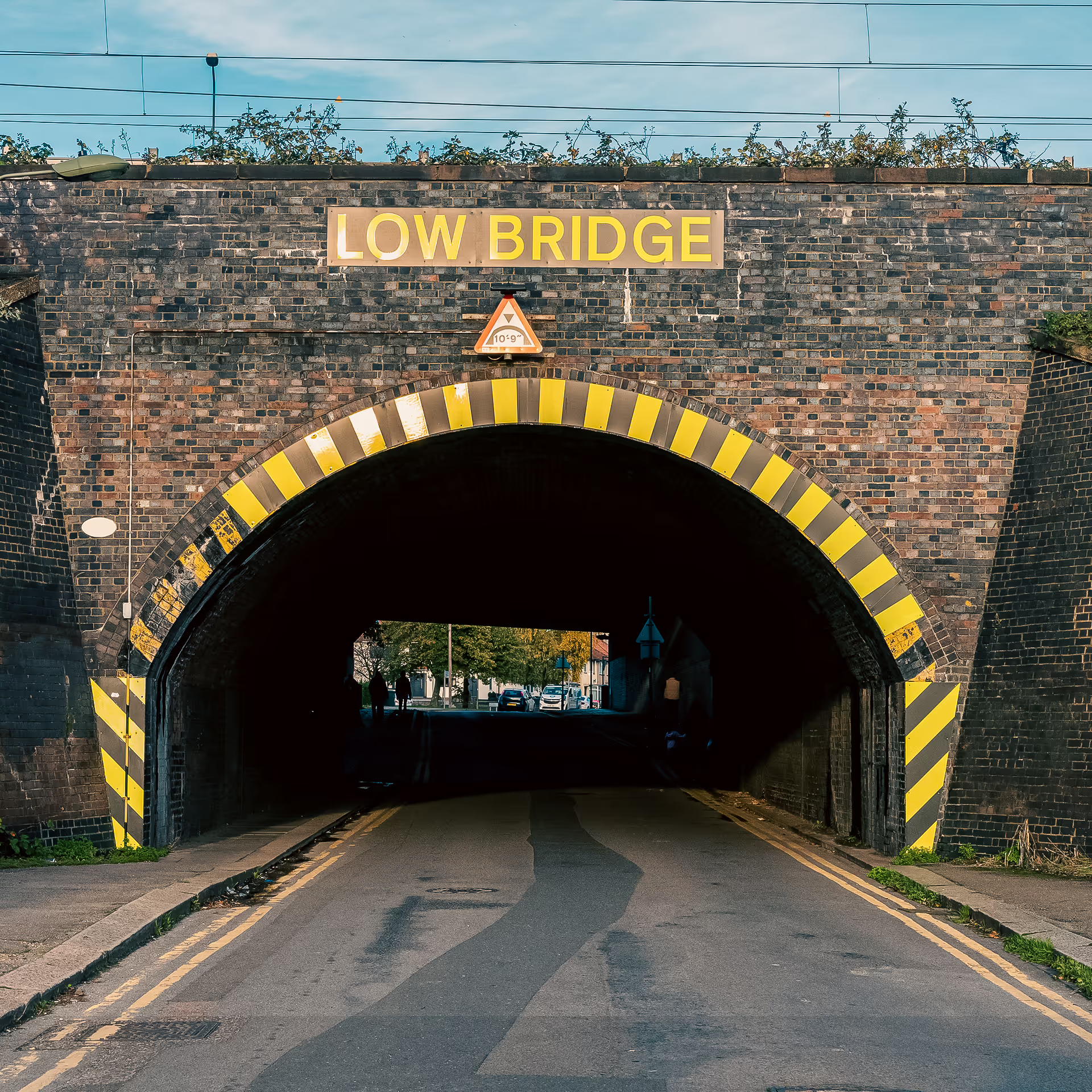
Reduce collision risk with a proven system that warns drivers accurately.
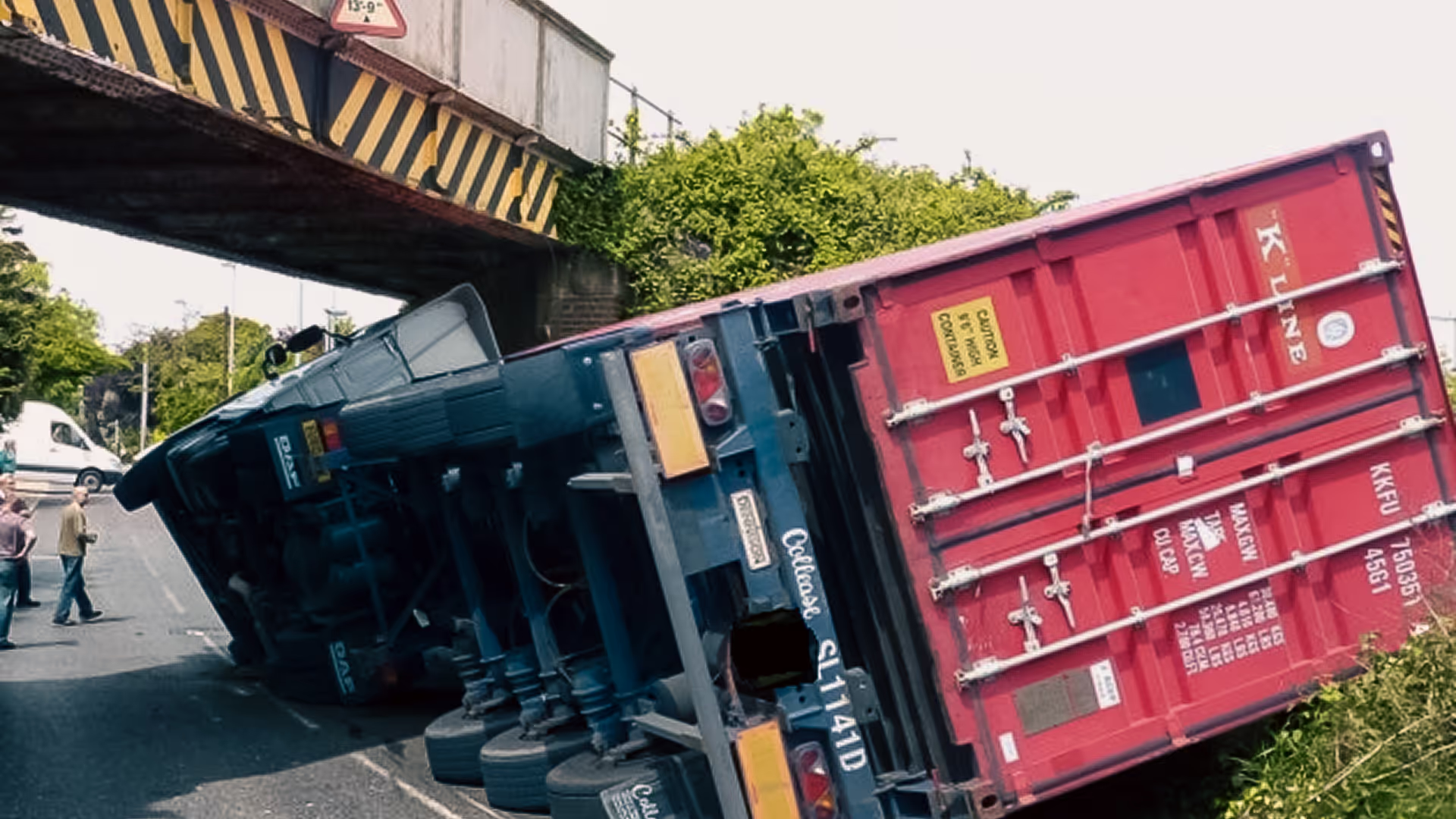
Network Rail claims the costs of bridge repairs and train delays.
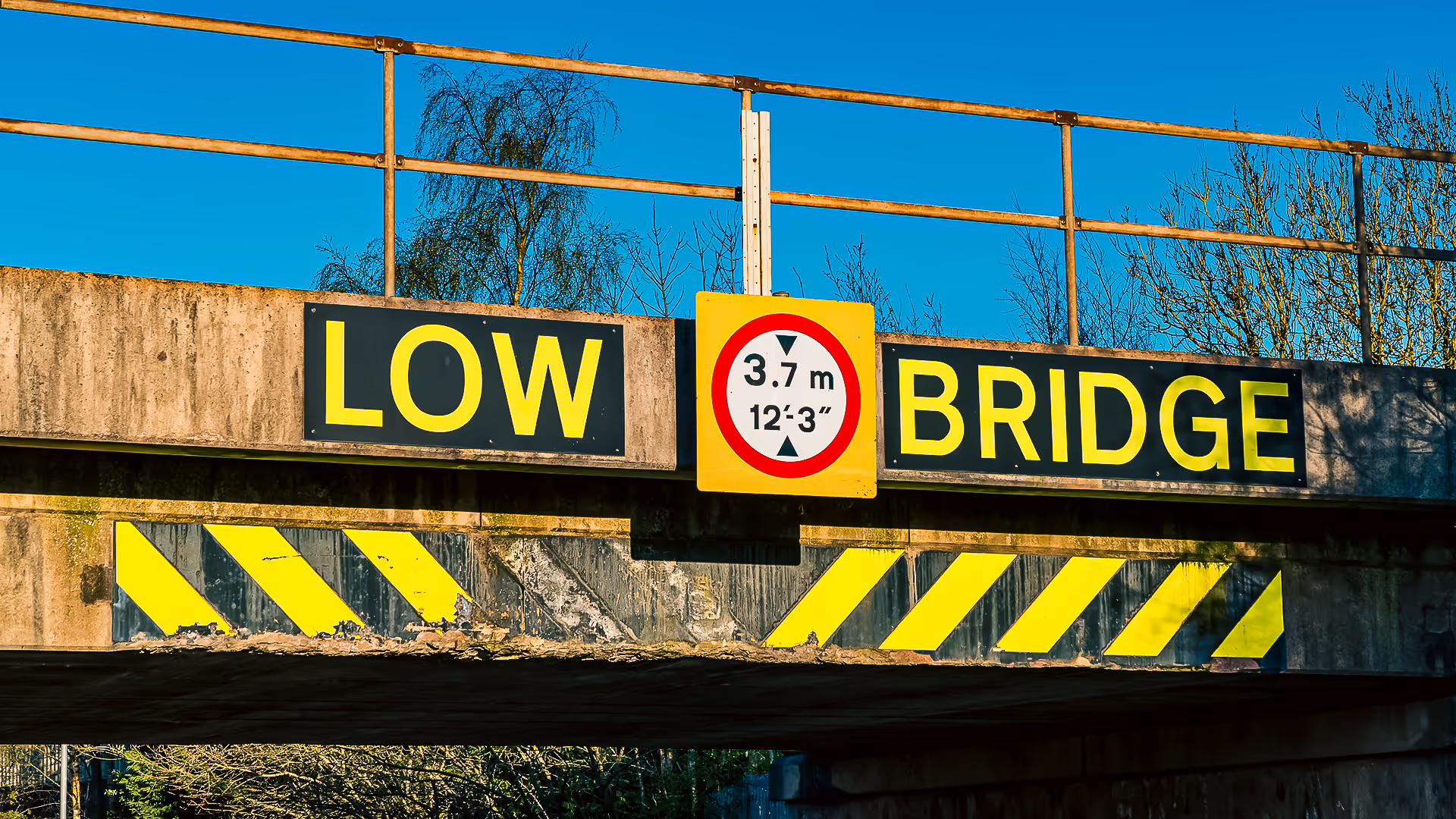
Strikes can trigger Traffic Commissioner reviews, risking O-licences.
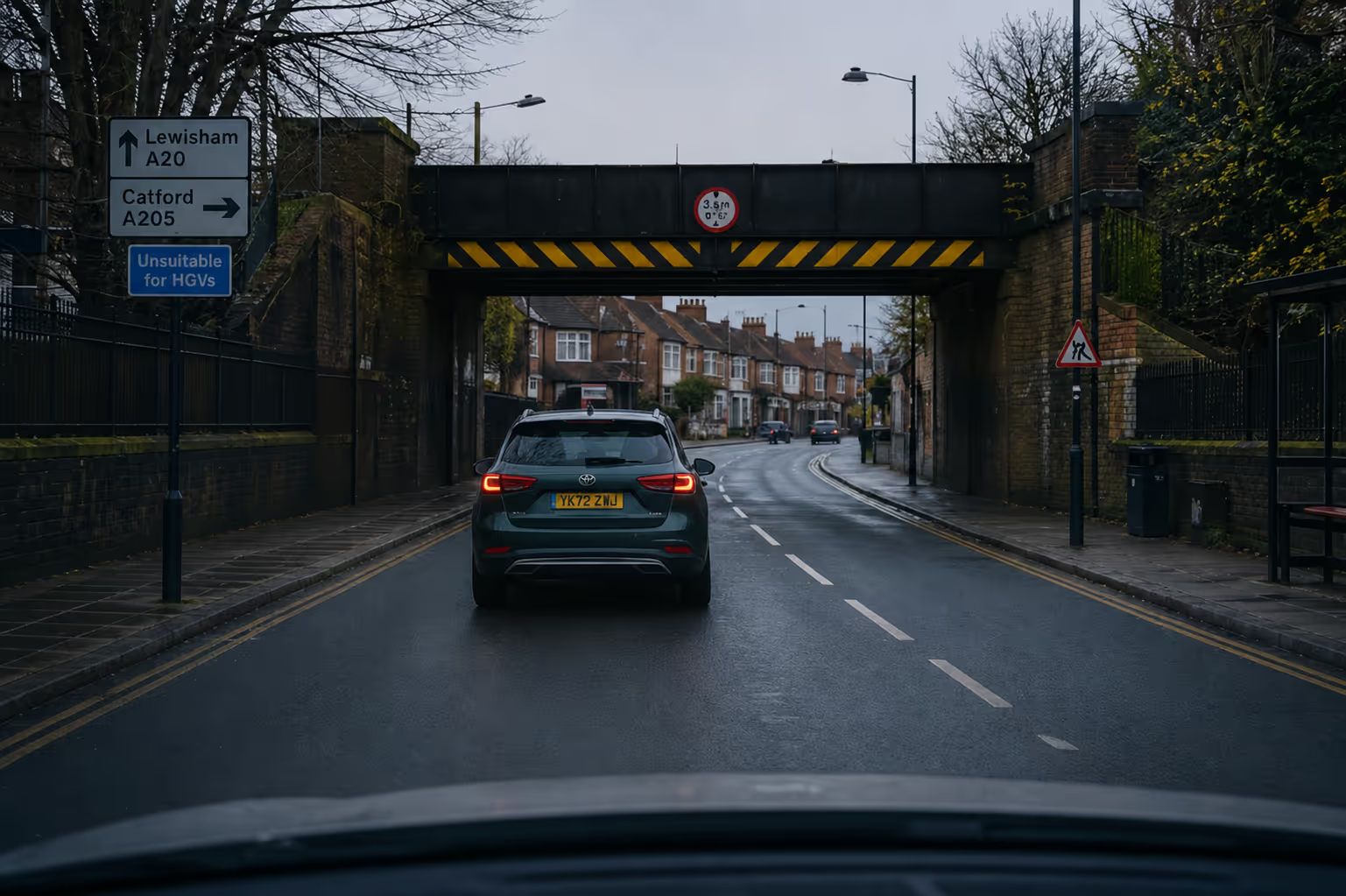
Downtime, missed deliveries, and brand damage are costly.
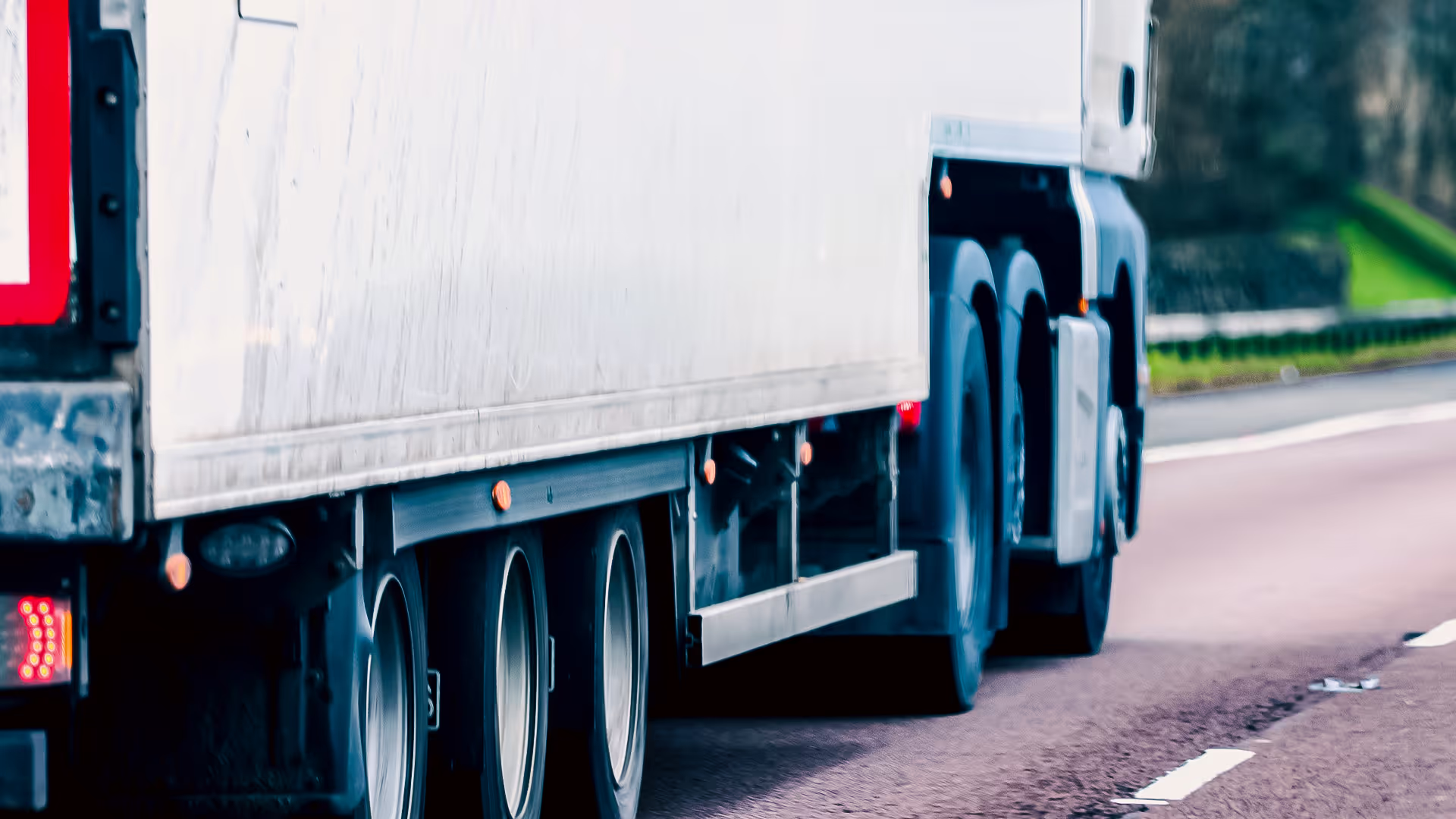
See more, risk less
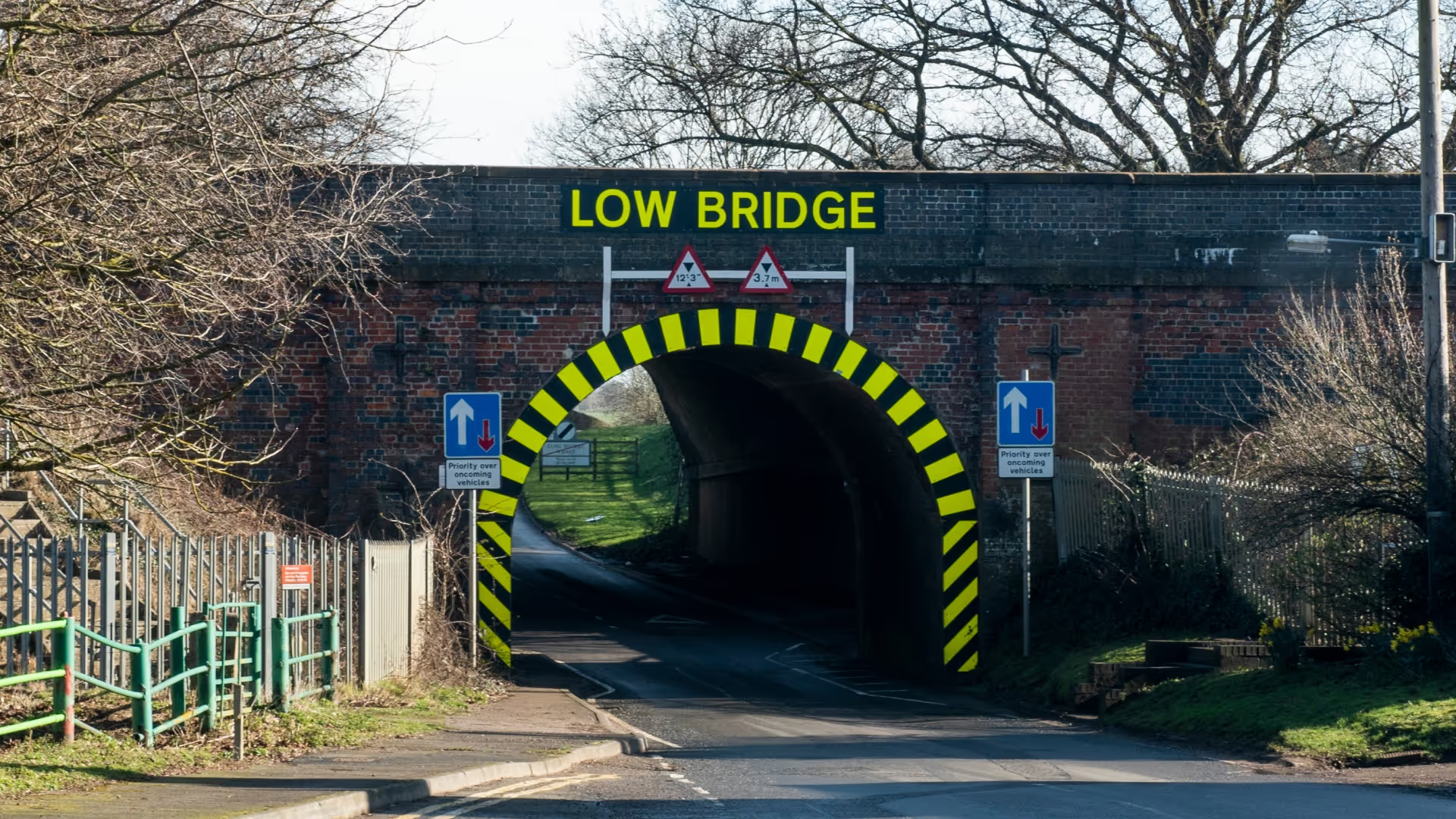
Detect low bridges before drivers miss them
There were 1,666 bridge strikes in the UK last year. Many of them were due to a combination of errors. Exeros' smart cameras scan for low bridges and signs, warning drivers with up to 90% accuracy.
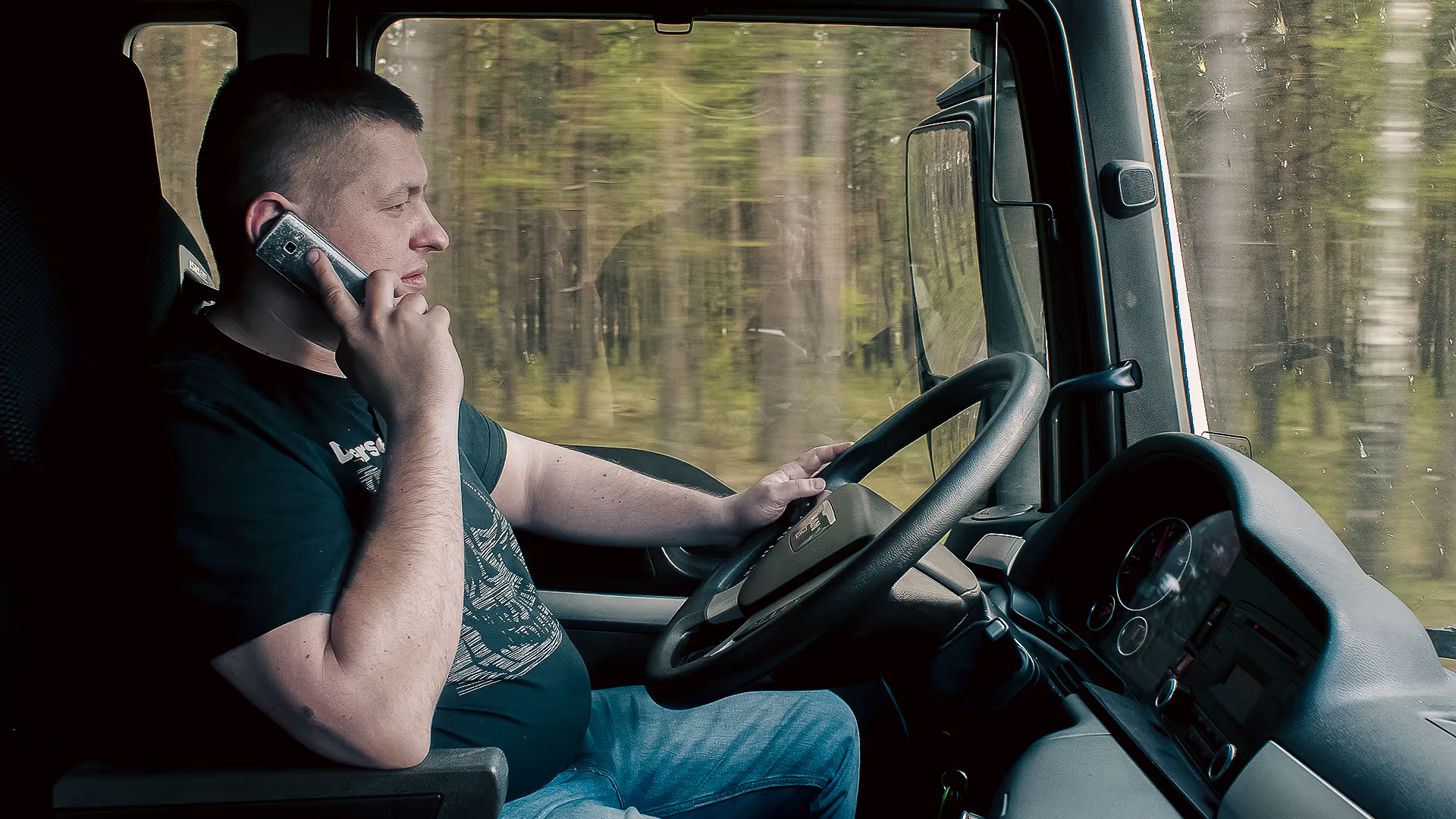
Remove manual errors from the equation
Remembering the height of your vehicle or load in seconds while also manoeuvring an HGV or bus isn't easy. We've solved that by using RFID and pre-programmed measurements to automatically set vehicle heights.
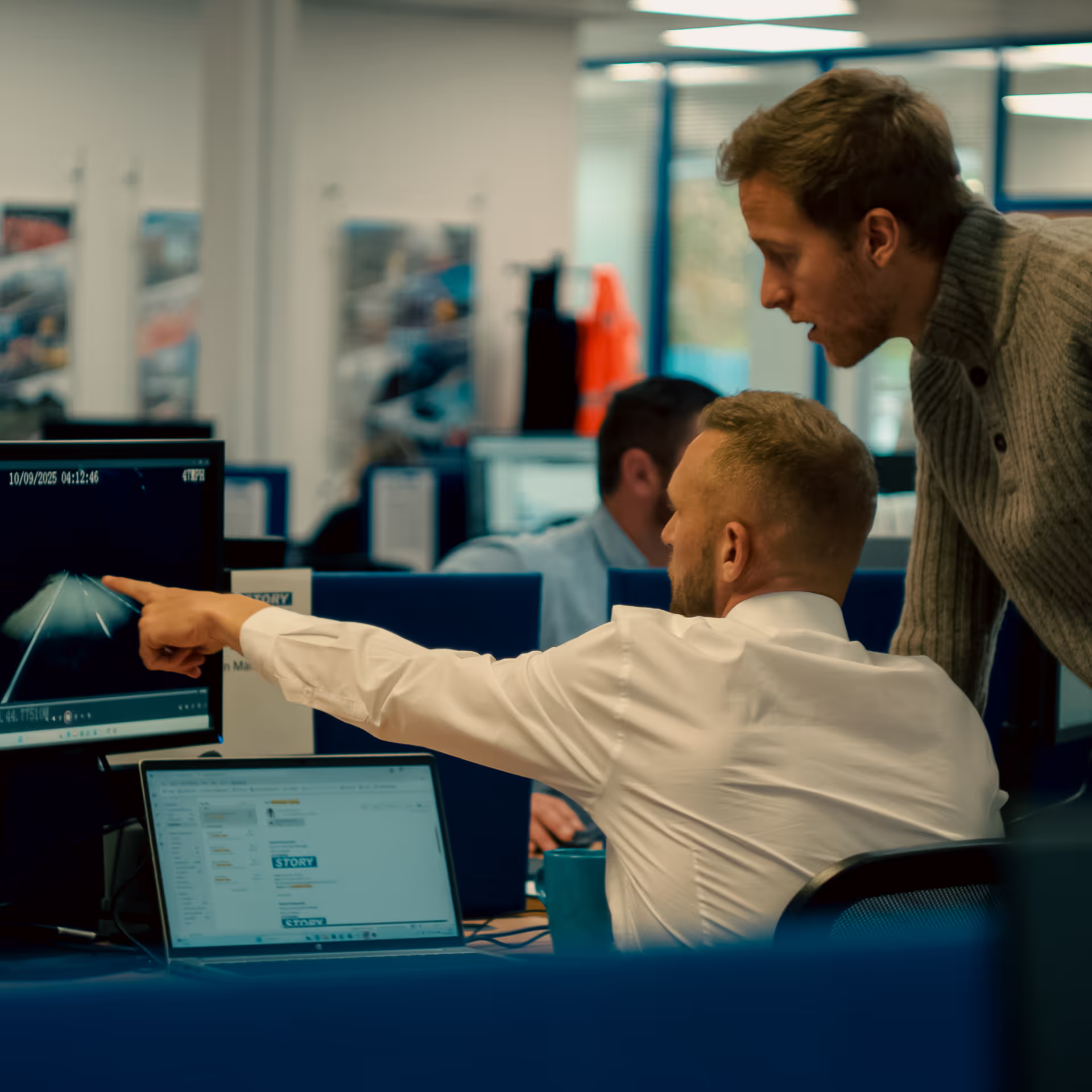
Record every incident, near miss, and warning event
Fleets need clear context to understand what happened and why. We capture HD footage, GPS location, journey history, and event data to help operators investigate, report, and improve driver coaching.
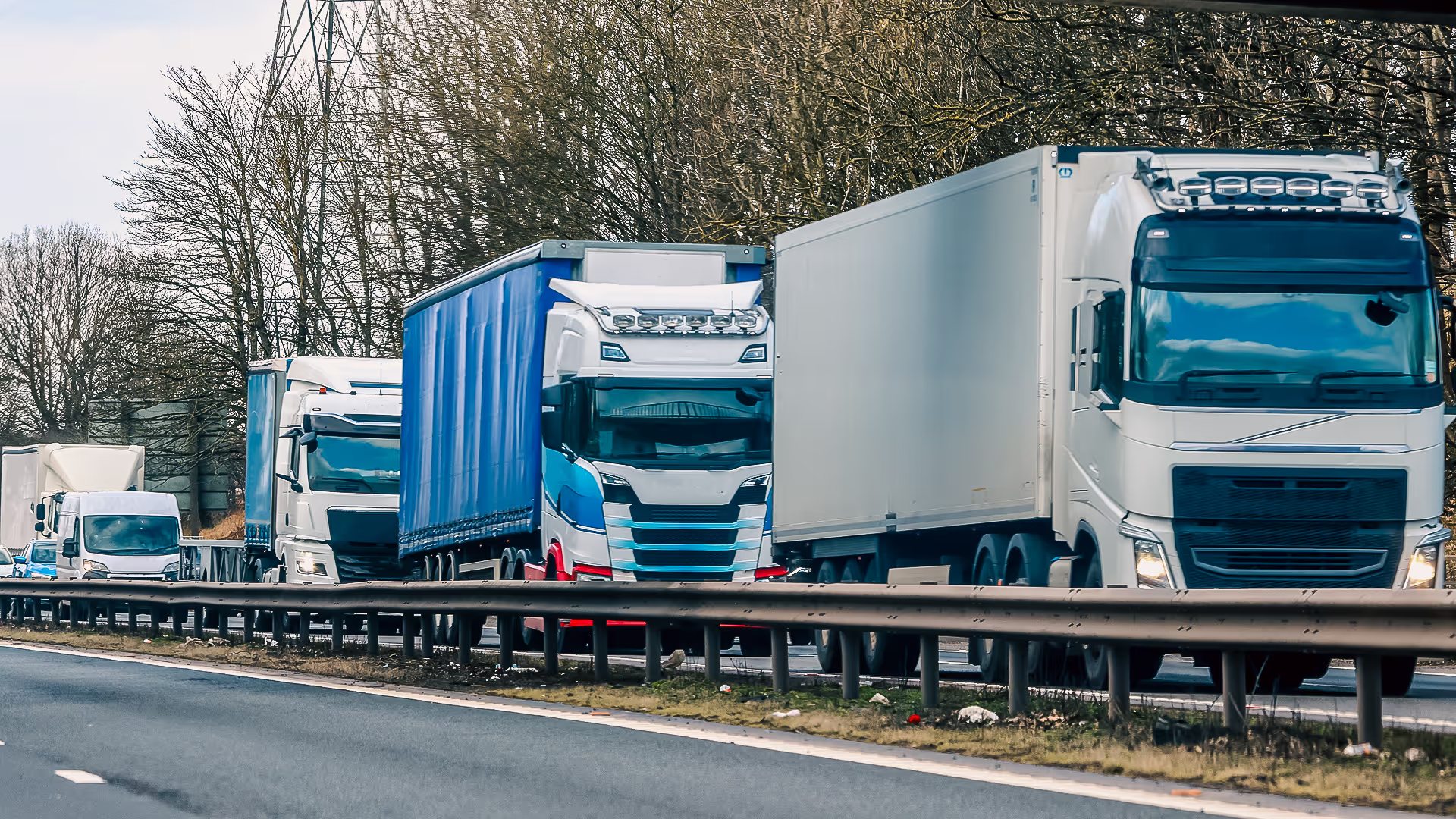
Reduce scrutiny, disruption, and reputational damage
A single bridge strike can cause route closures, damaged infrastructure, and serious reputational consequences. We help fleets reduce operational risk while demonstrating stronger standards for driver safety and compliance.
The numbers that matter
FAQ
Questions about the platform, privacy, and how it works for your fleet
Bridge strikes can result in repair costs billed by Network Rail, which can run to six figures for significant structural damage, as well as vehicle damage, route disruption, missed deliveries, Traffic Commissioner reviews, and reputational damage. The total cost of a single strike often far exceeds the cost of a prevention system.
GPS-only systems alert drivers to bridges within a proximity radius, generating frequent false alarms from bridges on adjacent roads or based on outdated map data. Exeros combines live AI camera detection of bridge signs and structures with GPS and automatic vehicle height detection, issuing warnings only when a genuine risk is present.
Yes. A bridge strike can trigger a Traffic Commissioner review, particularly where the incident is serious or part of a pattern. The Commissioner has powers to curtail, suspend, or revoke an operator licence, making prevention a significant business priority for fleet operators.
Exeros uses RFID sensors to detect and set vehicle height automatically, removing the risk of driver error when recalling height during a busy manoeuvre or after a trailer swap. The system cross-references height against bridge clearance in real time, issuing an alert only when a collision risk exists.
The Exeros system automatically captures a short HD clip of the event, along with GPS location, journey data, and timestamps. This footage is uploaded to the VideMatics platform, where managers can use it for driver coaching, incident reporting, and compliance investigations.
Talk to our team about your fleet's specific challenges and how we solve them.